Thinking about moving to Esquimalt? You’re not alone. This small coastal community sits right next to downtown Victoria, which makes daily life convenient without feeling overly busy. If you want quick commutes, access to waterfront parks, and a range of home types, Esquimalt is worth a close look. In this guide, you’ll learn what to expect from the local housing stock, how you’ll get around, and what day-to-day life looks like. Let’s dive in.
Where Esquimalt fits in Greater Victoria
Esquimalt is an inner suburb immediately west of Victoria’s downtown. You can reach downtown services and employment by a short drive, bike ride, or bus. Many commutes are under 10–15 minutes depending on traffic and exact location.
The municipality blends harbour-facing areas with established inland neighborhoods. You’ll see a stable residential base and a mix of employment nearby, including the Canadian Forces Base (CFB) Esquimalt. The base is a key employer and supports steady housing demand across both ownership and rental.
Housing options and what to expect
Esquimalt offers a range of property types and ages, so it helps to match your needs to the right pocket.
Single-family homes
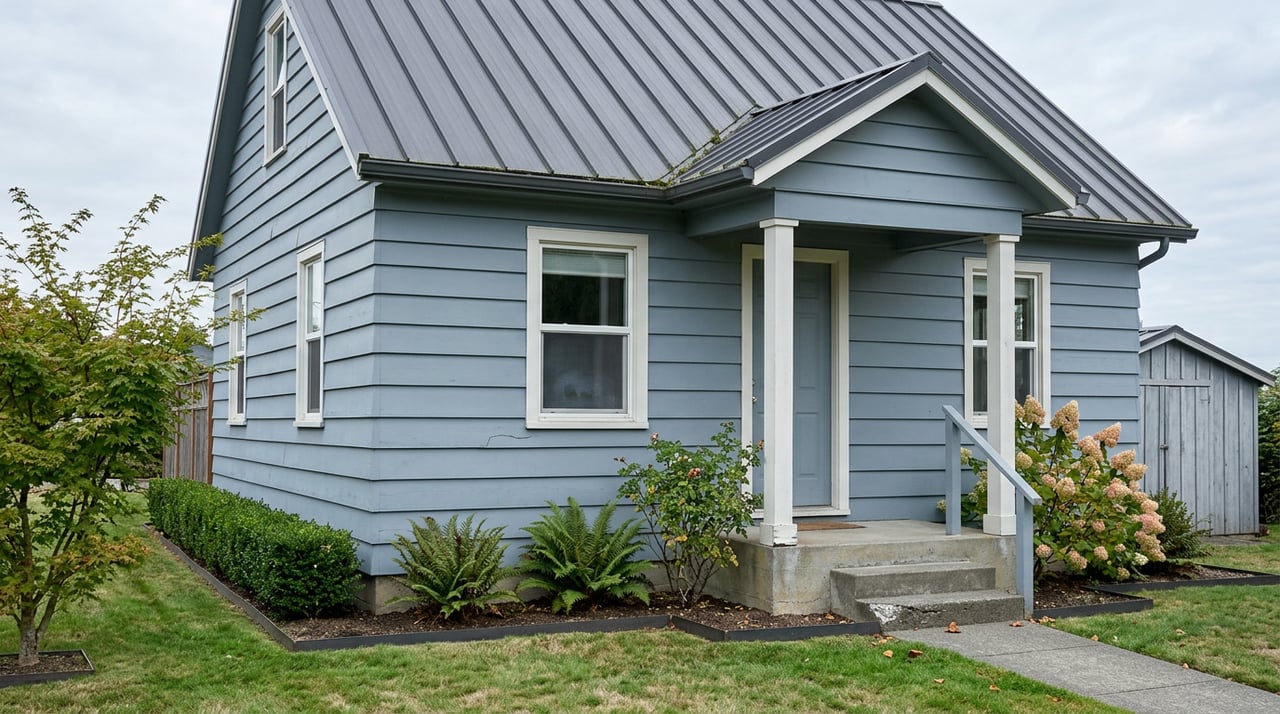
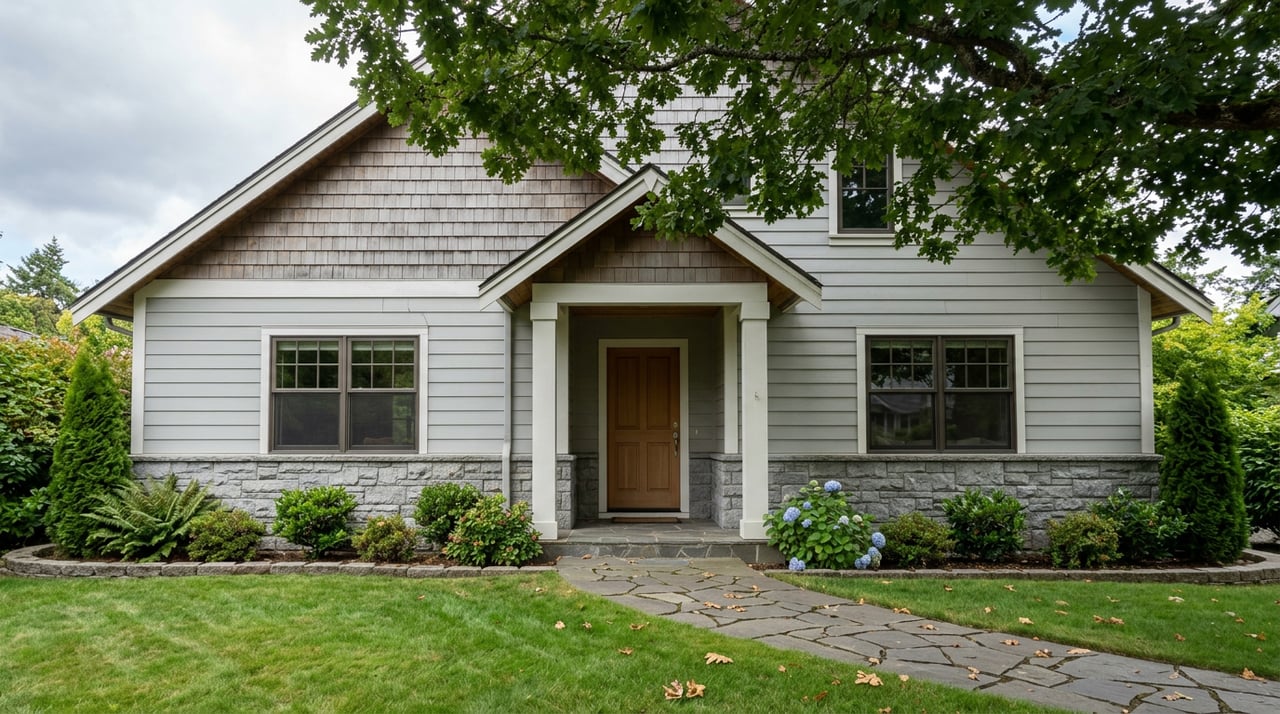
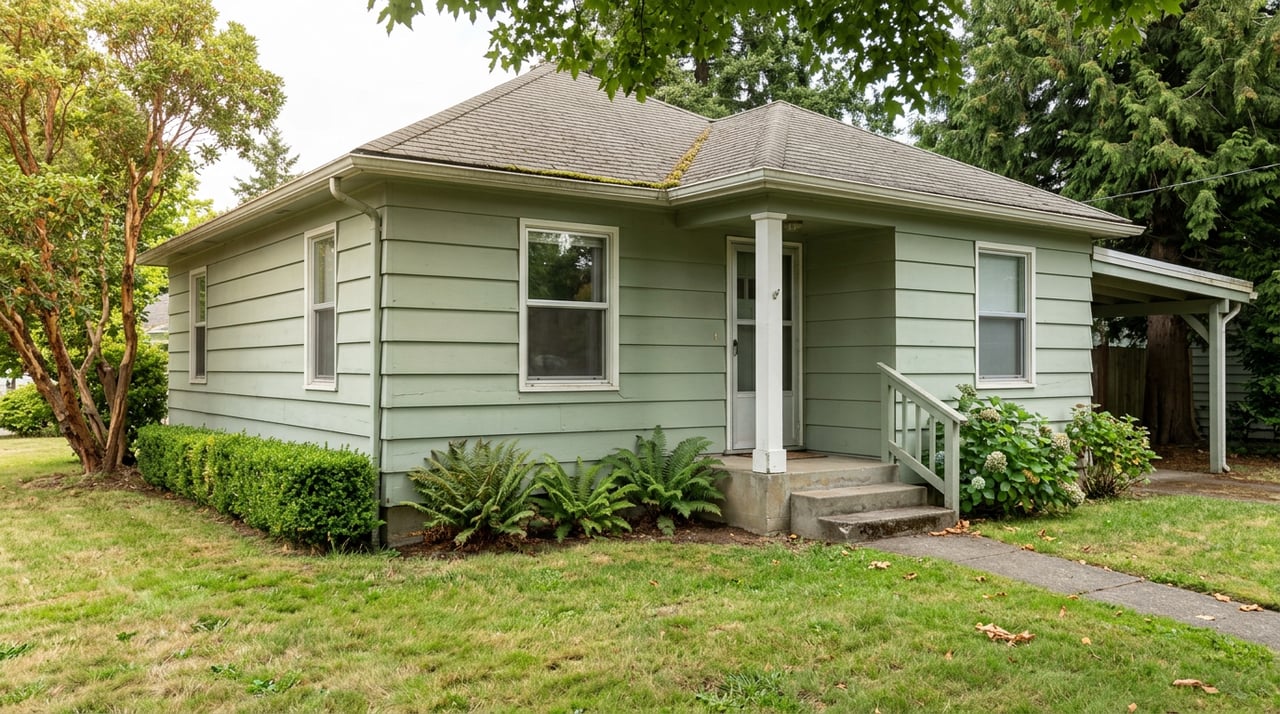
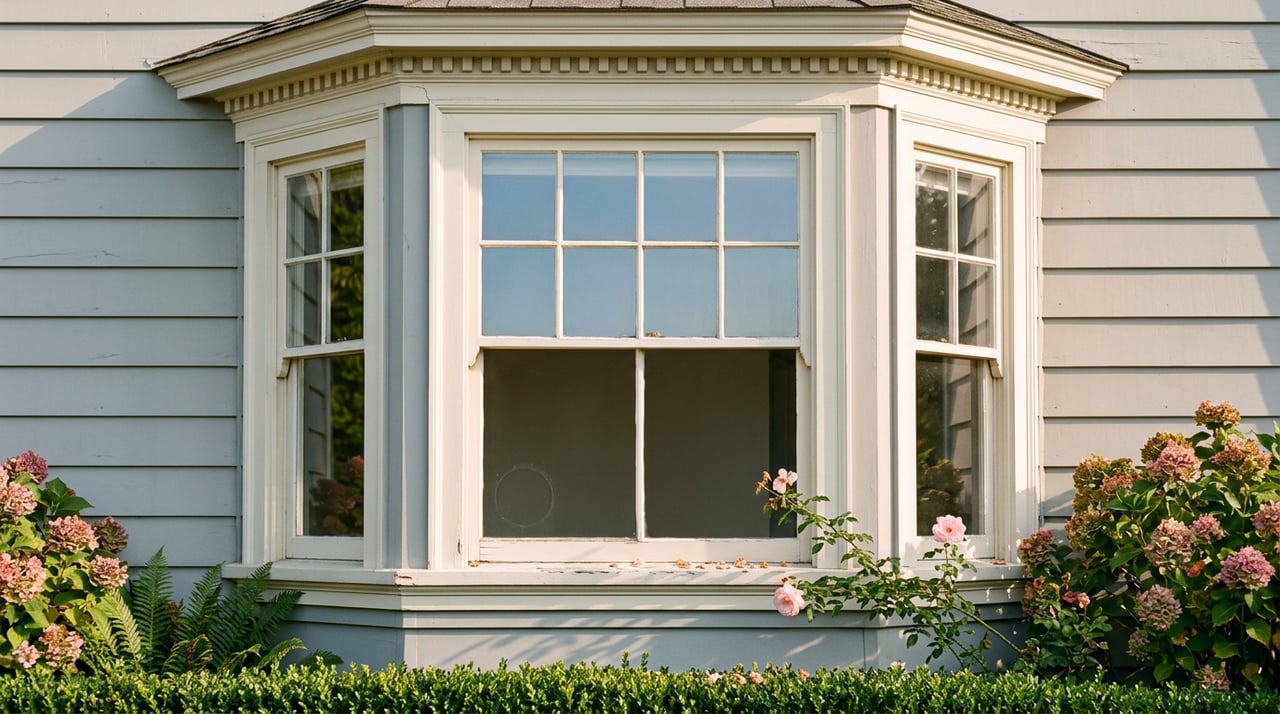
You’ll find many older detached houses, often on modest lots. Character details are common in early to mid-20th century homes. Renovation potential is a draw for buyers who want to update systems or personalize a layout.
Townhouses and rowhomes
Several low-to-mid density complexes exist, including later 20th century and 2000s builds. These can be a good middle ground if you want more space than a condo with lower upkeep than a detached home.
Condos and rental apartments
Most condos are low-rise or small mid-rise buildings, with fewer high-rises than major urban cores. Rental supply includes both purpose-built buildings and converted suites, and demand reflects nearby employment, including the base and Victoria’s broader job market.
Age and condition considerations
A meaningful portion of detached homes pre-date the 1960s. Plan for possible upgrades to mechanical systems, insulation, and seismic considerations. With strata properties, it’s smart to review minutes, maintenance history, and reserve funds for common items like roofs, plumbing, and any seismic planning.
Pricing and market context
Historically, Esquimalt often trades at price points somewhat lower than some inner-core Victoria neighborhoods, while following Greater Victoria’s broader appreciation trends. Prices shift with waterfront proximity, views, age and condition, lot size, and any added potential like a secondary suite. For current figures, consult up-to-date local market data.
Investors and rental rules
Owner-occupiers are a strong presence, and rental demand is supported by the military and regional employment. If you plan to rent out a property or explore short-term rentals, review municipal bylaws, provincial rules, zoning, and strata regulations before you buy.
Renovations, suites, and zoning
Many buyers consider adding or updating suites. Check municipal zoning, heritage considerations, and permitting early in your planning. For condos and townhomes, review strata bylaws for renovation approvals and restrictions.
Commutes and getting around
Driving
Esquimalt connects quickly to downtown Victoria via local arterials. You can also access the Trans-Canada Highway corridor and other regional routes for trips to Saanich or up-Island. Expect typical peak-hour congestion on main connectors.
Transit
BC Transit runs regional bus service linking Esquimalt with downtown and other Capital Regional District communities. It’s a practical option for central Victoria commuters. Check current schedules for route frequency and hours.
Cycling and walking
Many neighborhoods include sidewalks and local trails. Cycling routes connect into Victoria’s network, and bike commuting is common for riders comfortable on urban streets. Nearby multi-use paths provide options for recreation and active commuting.
Marine and parking
Esquimalt Harbour is a working naval and commercial harbour. Passenger ferries for commuters are centered around the broader Victoria harbour area rather than a direct Esquimalt-to-downtown route. On residential streets, you’ll often find driveway or street parking, and many single-family homes have single-car garages.
Parks, waterfront, and recreation
Esquimalt offers public shoreline access, harbour viewpoints, and neighborhood parks for walking, picnicking, and wildlife viewing. You’ll find small coastal headlands, waterfront promenades, and greenways along local waterways.
The community supports recreation with local programming and access to aquatic and fitness facilities through municipal or regional partners. If boating is part of your lifestyle, there are marina facilities and small launches in the harbour area, though availability can vary by season and membership.
Residents value the natural setting, including waterfowl and intertidal life along the shore. If you’re considering a waterfront home or improvements near the water, be aware that federal and municipal rules apply to shoreline work and docks.
Everyday amenities and services
Shopping and dining
You can cover day-to-day needs at local grocers and convenience shops within Esquimalt. For bigger retail and specialty stores, nearby Victoria and surrounding municipalities offer a wider selection. Dining includes a mix of independent cafés, pubs, and restaurants, with more variety just minutes away downtown.
Schools and childcare
Esquimalt is in School District 61. Families should check school catchment maps and registration details in advance, and explore childcare availability early, as spaces can be limited.
Health care and community services
Primary care and clinics are available in the region, with larger hospitals and specialist services in Victoria. Esquimalt provides municipal emergency services and community programming. You’ll also find libraries or branches and local events with a community-focused feel.
Employment ties
Beyond the base, many residents work in downtown Victoria or in regional sectors like higher education and health care. The short distance to the city center keeps commute options flexible.
Relocation tips for out-of-town buyers
Use this checklist to plan a smooth move and informed purchase:
- Verify current market data for median prices, inventory, and average days on market.
- Review zoning, permitted uses, and any rules around accessory dwelling units for your target property.
- For strata homes, obtain strata minutes, depreciation reports, and reserve fund information.
- Confirm school catchments and research childcare availability if relevant.
- Test your commute during peak periods to your workplace.
- For waterfront or near-harbour properties, confirm shoreline regulations, dock permitting, and nearby industrial or operational activities.
- Obtain current property tax rates and utility billing details from the municipality.
- Discuss insurance needs, including seismic and potential flood considerations, with your provider.
- Hire a local real estate agent who knows Esquimalt plus a qualified home inspector, especially for older homes.
Is Esquimalt the right fit?
Choose Esquimalt if you want a close-in location next to downtown Victoria without living in the core. It suits buyers who value short commutes, everyday waterfront access, and a range of housing options. If you like the idea of a character home with renovation potential or prefer a low-rise condo in a quieter setting, you’ll find both.
If you’re still exploring, let’s talk about your wish list and timeline. A local guide can help you weigh specific neighborhoods, property types, and commute trade-offs and then move quickly when the right listing appears.
Ready to start a tailored search or plan a move to Esquimalt? Reach out to Kash Burley for local, hands-on guidance.
FAQs
How long is the commute from Esquimalt to downtown Victoria?
- Esquimalt is adjacent to downtown. Many drives are under 10–15 minutes depending on traffic and your exact location.
What housing types are common in Esquimalt?
- You’ll find older single-family homes, low-to-mid density townhouses, low-rise and small mid-rise condos, and a mix of rental options.
Is there public access to the waterfront in Esquimalt?
- Yes. Multiple parks, shoreline trails, and harbour viewpoints offer public access for walking, wildlife viewing, and recreation.
What should I know about older homes in Esquimalt?
- Many pre-date the 1960s. Budget for potential upgrades to systems, insulation, and seismic considerations, and get a thorough inspection.
How does CFB Esquimalt influence the housing market?
- The base supports steady local employment and rental demand. It also adds to neighbourhood character and activity in the harbour area.
What transit options connect Esquimalt with the region?
- BC Transit runs bus routes linking Esquimalt to downtown Victoria and other CRD communities. Check current schedules for frequency and hours.
Are Esquimalt home prices lower than downtown Victoria?
- Historically, some Esquimalt properties have traded at price points somewhat lower than certain inner-core Victoria neighborhoods, though trends can change.
Can I add a rental suite or carriage house?
- It depends on zoning and municipal rules for the specific property. Confirm permitted uses and any approval processes before you proceed.